Moving beyond simple label verification: why true ethical agricultural audits must include worker wages, farm-hand safety parameters, and water table protection.
1. The Dilution of Organic Certifications
As organic foods entered the commercial mainstream, the regulatory standards governing them underwent significant dilution. Today, industrial corporate growers manage fields spanning thousands of acres, meeting organic requirements while paying seasonal pickers below minimum wage and housing them in substandard environments. At Lemon Tree Grocer, we argue that crop quality is deeply tied to human dignity.
2. Implementing Social Audits for Local Farms
In 2026, we have integrated a mandatory social audit loop for every supplier on our list. This verification checks working condition parameters, guarantees fair overtime compensation, and verifies access to clean safety gear. We refuse to sell produce grown through exploitative labor, establishing a new model where trust is built on social contract integrity.
3. Protecting Regional Water Table Boundaries
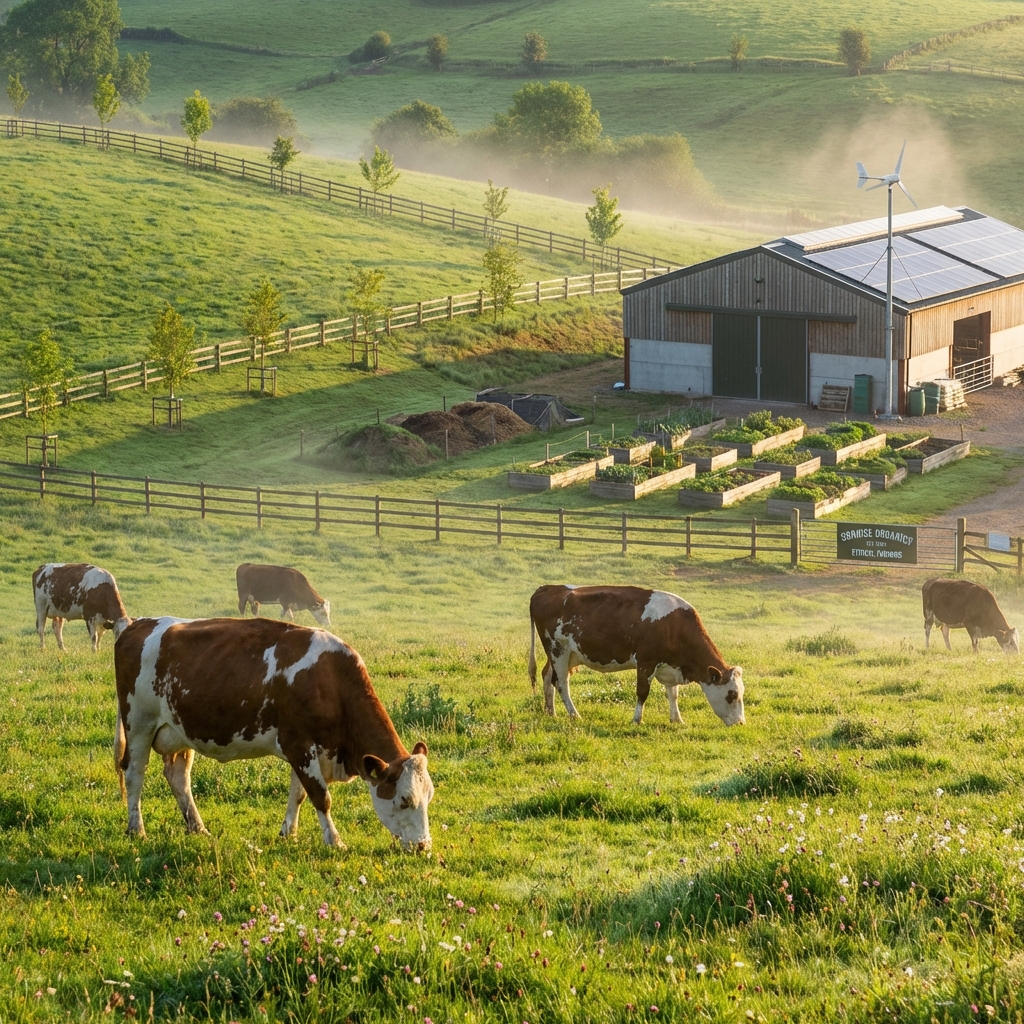
Ethical farming must also account for resource conservation. Runoff containing concentrated manure from massive cattle pens damages local rivers and municipal aquifers. Our partners implement active buffer zones—dense strips of native trees and deep-rooted grasses planted along water boundaries. These buffers filter agricultural drainage, preserving clean water tables for the Valley.
4. The True Value of Dignity in Agriculture
When agricultural workers are respected, paid fair wages, and given stable year-round employment, they cultivate deeper attention to crop quality. They monitor pest levels manually without resorting to broad pesticide sprays, ensuring the harvest arrives at our store shelves in peak condition. We invite our community to support this human-centered model with every purchase.