A deep logistical breakdown of reducing food miles, establishing regional cold chain loops, and eliminating warehouse holding delays.
1. The Inefficiency of Centralized Food Hubs
Under conventional grocery logistics, a head of lettuce harvested in California is shipped to a central distribution hub 500 miles away, sorted inside a warehouse for three days, and then shipped back to a store situated only 20 miles from the original farm. This absurd loop wastes massive amounts of truck fuel and accelerates organic food decay. Lemon Tree Grocer rejects this wasteful pattern.
2. The Dawn micro-Collection Loop
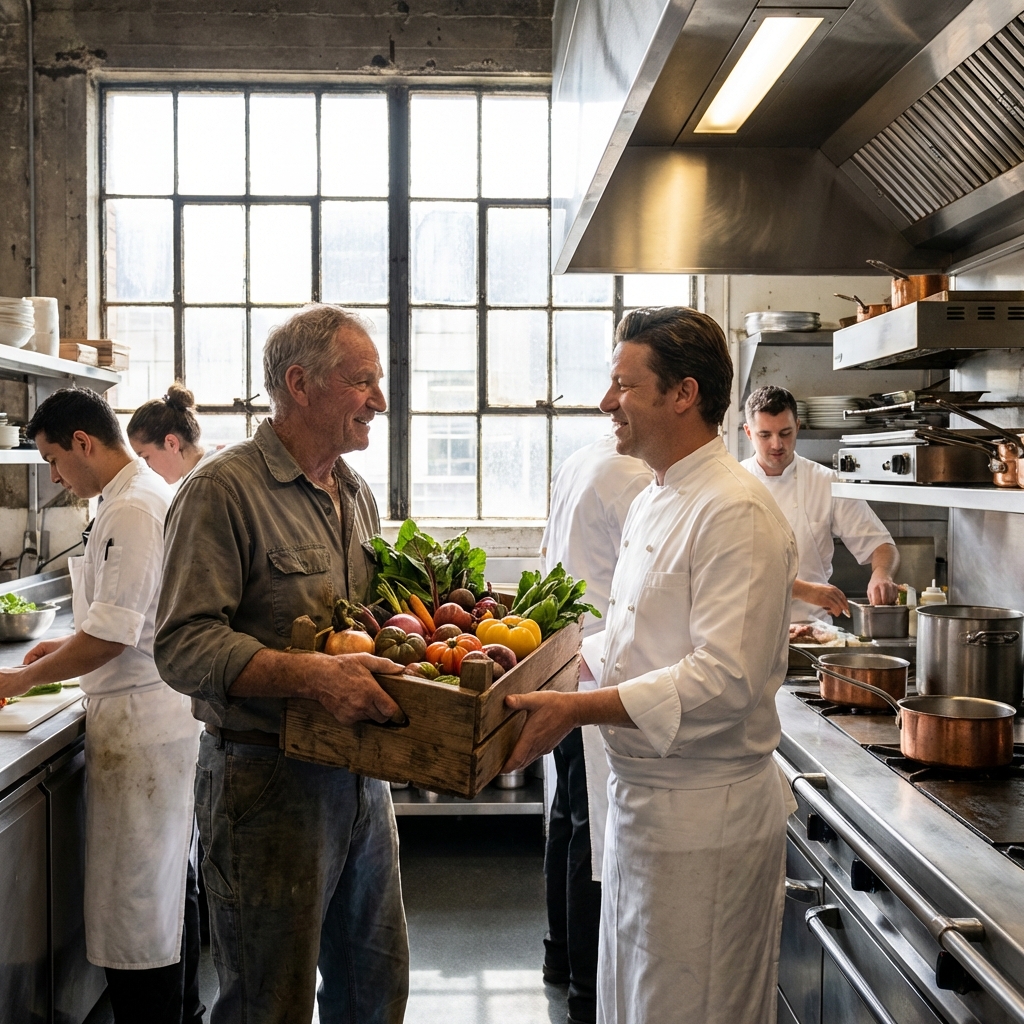
We operate a decentralized routing loop. Our collection vehicles depart early in the morning, visiting local farms in a sequential route. By coordinating harvest schedules with growers via digital inventory tracking, crops are cut just minutes before our truck arrives. This removes intermediate storage delays, moving food from soil to display shelves in under six hours.
3. Optimizing Freshness and Preserving Vitamins
Crops begin to lose active enzymes and nutrient structures the moment they are harvested. By maintaining a rapid, un-interrupted transit loop, we prevent cellular water loss and eliminate the need for artificial ripening gases. When you purchase our spinach, kale, or strawberries, they are chemically identical to freshly picked crops.
4. The Positive Impact on Traffic and Carbon Footprints
By routing distribution locally, we bypass crowded highway networks, reducing localized diesel emissions. We are planning to transition our delivery vehicles to full-electric options by 2027. This highlights our commitment to regional ecological preservation, proving that high-trust grocery models can operate in complete harmony with the biosphere.