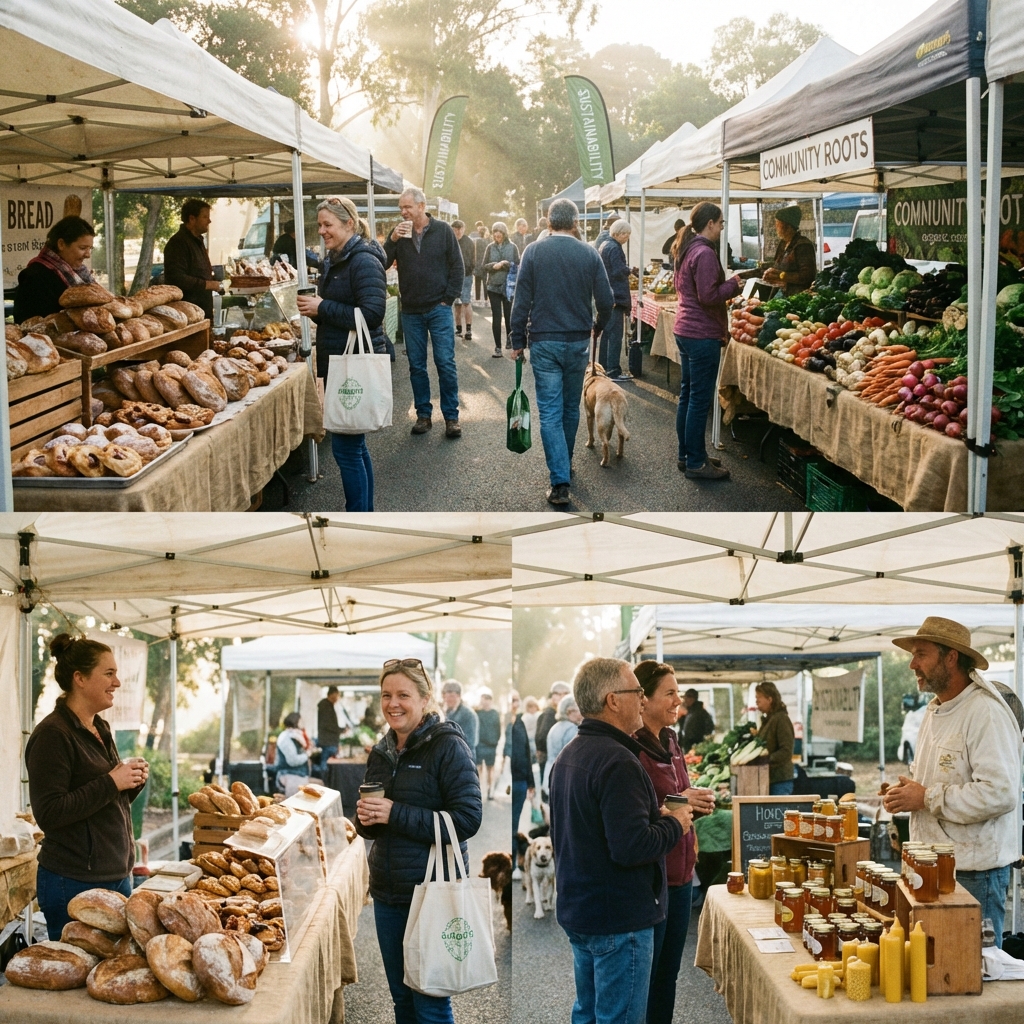
Why purchasing produce from growers located within a strict 50-mile radius is the ultimate answer to supply chain failures, low-nutrition storage methods, and industrial food shipping models.
1. Deconstructing the Global Supply Chain Model
For decades, commercial supermarkets have relied on complex, globalized logistics corridors. Produce like lettuce, tomatoes, and stone fruit are harvested under-ripe in one continent, stored in carbon-dioxide-filled cold containers, and shipped across thousands of miles. By the time this food reaches your plate, it has lost significant nutrient values and generated massive carbon emissions. In 2026, severe weather anomalies and rising fuel prices have exposed the extreme fragility of this model.
Radical Localism is the deliberate architectural choice to build direct, regional micro-supply loops. Instead of navigating international shipping regulations or dealing with sudden cargo hold delays, Lemon Tree Grocer links its inventory nodes directly with family-operated orchards, small-scale hydroponic glasshouses, and regenerative dairy farms situated in the local Valley.
2. Maximizing Post-Harvest Vitamin Preservation
When food travels for weeks, vital chemical compounds like Vitamin C, active antioxidants, and enzymes begin to decay. Spinach stored in plastic packaging for seven days loses up to 50% of its folate content. Local sourcing isn't merely an environmental ideal; it is a metabolic necessity. Our local farmers harvest at 5:00 AM. The freshly cut crops are packed into reusable wooden crates and delivered to our stores before midday. This ensures that the cellular structure of the greens remains fully intact and nutrient-dense when purchased by our community.
3. Stimulating Circular Economic Ecosystems
Every dollar spent on global retail chains drains wealth from the local economy, distributing profit to shipping conglomerates and foreign holding firms. Radical Localism ensures that capital remains inside our geographic region. By paying local organic farmers a premium price directly, we enable them to hire local labor, invest in clean solar-powered tractors, and maintain open green spaces. This circular loop protects our Valley from industrial urbanization while guaranteeing long-term food security for our families.
4. Environmental Mitigation and Food Resilience
Reducing transport distance from 2,000 miles to 30 miles yields a dramatic, measurable drop in Scope 3 greenhouse gases. Moreover, local supply systems are naturally resilient. During supply chain crises, our shelves remain fully stocked because we do not rely on global trucking lanes. This local connection guarantees that our neighborhood retains uninterrupted access to healthy food variables year-round.