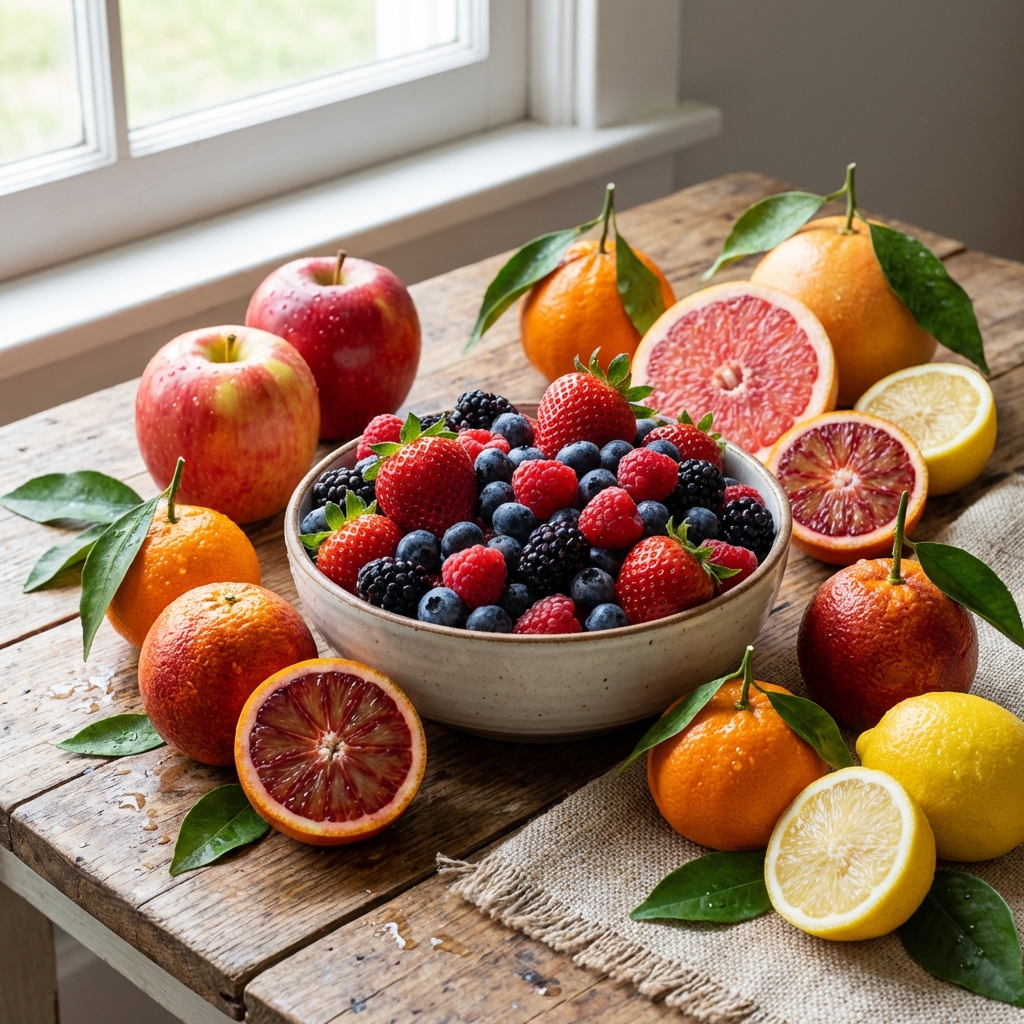
The functional nutrition powerhouses defining the wellness landscape this year: a detailed guide to adaptogens, ancient grains, and chlorophyll-rich plants.
1. The Rise of Functional Nutrition
In 2026, clients are moving away from synthetic supplements in favor of whole, functional foods. Superfoods are not exotic powders sourced from distant rain forests; rather, they are nutrient-dense plants, microgreens, and grains grown sustainably within our own region. Incorporating these items into daily habits supports continuous cellular energy and immune responses.
2. High-Performance Greens and Adaptogenic Foods
Lacinato kale, micro-arugula, and watercress remain at the top of our list due to their exceptionally high concentrations of chlorophyll, active iron, and vitamins. Alongside greens, adaptogenic roots like localized ginger and turmeric help the body adapt to systemic stress factors, reducing internal inflammation and supporting gut microbiomes.
3. Ancient Grains: Amaranth and Spelt
Modern wheat strains have been heavily hybridized, causing high gluten sensitivities. Ancient grains like amaranth, farro, and spelt retain their simple genetic structures, offering higher plant protein ratios, fiber, and vital amino acids. We stock organic fresh flour milled directly from these ancient varieties in our bakery section daily.
4. Raw Honey and Wild Blueberries
Untreated raw honey contains live enzymes and local pollen that help mitigate seasonal allergies. When paired with wild organic blueberries—which contain powerful polyphenols and antioxidants—you establish a delicious, natural barrier against cellular aging. We coordinate directly with local Valley beekeepers to ensure raw honeys are never pasteurized.